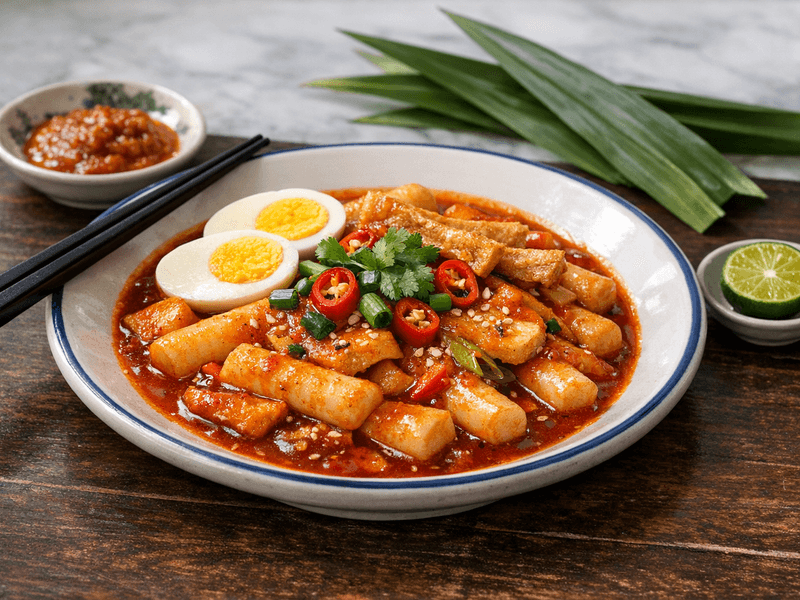
Tteokbokki Pedas
Makan Tengah Hari • Malaysia
How to Make Spicy Tteokbokki (Traditional & Healthy Version)
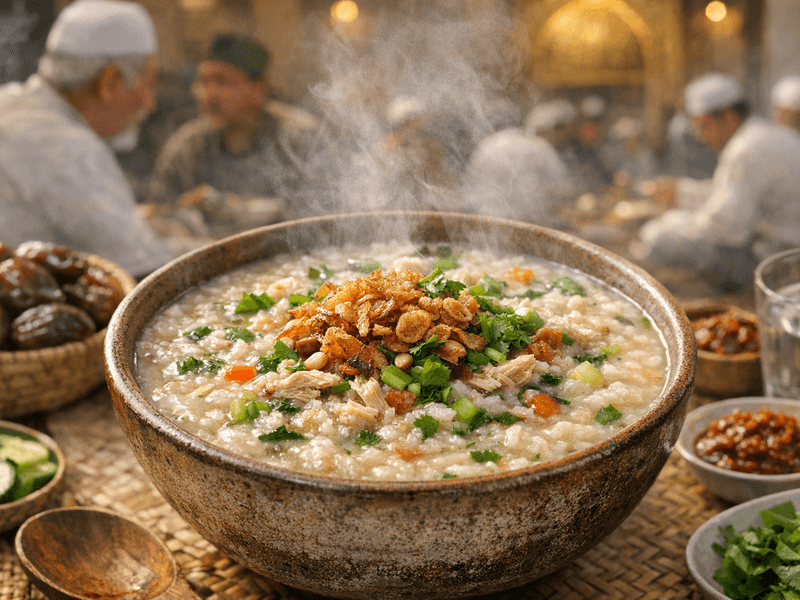
Spicy Tteokbokki, known for its chewy rice cakes and fiery, savoury sauce, has found its way into the Malaysian food scene thanks to our vibrant multicultural influences. This vegetarian-friendly variation blends the distinct flavors of Korean street food with Malaysian twists, using locally sourced ingredients like daun limau purut (kaffir lime leaves) and serai (lemongrass) for an aromatic boost. The result is a comforting, spicy lunch dish that satisfies both adventurous eaters and fans of classic Malaysian cuisine. In Malaysia, Spicy Tteokbokki is popular among urban youth and foodies, often enjoyed at cafes or cooked at home. The spicy gochujang-based sauce is balanced with the sweetness of gula Melaka and the freshness of local vegetables, creating a harmonious taste that reflects Malaysia’s culinary diversity. Its bold flavors and customizable heat level make it perfect for sharing with friends or family during lunch gatherings, particularly in cities like Kuala Lumpur and Penang, where fusion cuisine thrives. Embracing the health-conscious movement, this recipe uses less oil and more vegetables, making it lighter without sacrificing taste. By combining traditional Korean elements with Malaysian ingredients, Spicy Tteokbokki becomes an irresistible dish that embodies the spirit of Malaysia’s ever-evolving food culture.
Bahan-bahan(untuk 1 medium bowl (about 300g))
- 200g Rice cakes (tteok) (fresh or frozen, cylindrical)
- 2 tablespoons Gochujang (Korean chili paste) (can substitute with cili boh for local heat)
- 1 tablespoon Gula Melaka (palm sugar)
- 1 tablespoon Soy sauce (use light soy sauce for less sodium)
- 2 cloves Garlic (minced)
- 2 leaves Daun limau purut (kaffir lime leaves, thinly sliced)
- 1 stalk Serai (lemongrass, finely chopped)
- 1 small Carrot (julienned)
- 1 cup Cabbage (shredded)
- 1 cup Water (or low-sodium vegetable broth)
- 100g Tofu (firm, cubed, optional for extra protein) - pilihan
- 1 teaspoon Toasted sesame seeds (for garnish) - pilihan
- 1 stalk Spring onion (chopped, for garnish) - pilihan
Arahan
- 1
Soak the rice cakes in warm water for 10 minutes to soften. If using frozen, soak longer until pliable.
10 minutes
Soaking rice cakes ensures they cook evenly and achieve the perfect chewy texture.
- 2
Prepare the sauce by mixing gochujang, gula Melaka, soy sauce, and 1/4 cup of water in a bowl until smooth.
2 minutes
Dissolving gula Melaka thoroughly prevents clumping in the sauce.
- 3
In a non-stick pan, heat a splash of water (or 1 tsp oil for extra flavor). Sauté garlic, serai, and daun limau purut until aromatic.
3 minutes
Using water instead of oil reduces calories and keeps the dish light.
- 4
Add carrots and cabbage, stir-frying for 2-3 minutes until slightly softened.
3 minutes
Do not overcook the vegetables to retain crunch and nutrients.
Kenapa hidangan ini sihat
By focusing on fresh vegetables, plant-based protein, and aromatic herbs, this Spicy Tteokbokki is lower in calories and saturated fat than typical versions. The recipe avoids deep-frying and excessive oil, and offers balanced nutrition with fiber, vitamins, and minerals. It’s a great choice for those tracking calories, aiming for weight management, or seeking a wholesome, vegetarian lunch that supports overall health.
This Spicy Tteokbokki is a vegetarian dish rich in complex carbohydrates from rice cakes and dietary fiber from fresh vegetables like cabbage and carrots. The addition of tofu boosts plant-based protein, making it hearty and satisfying. Lemongrass and daun limau purut not only infuse Malaysian aroma but also add antioxidants and essential vitamins. Using minimal oil and low-sodium soy sauce helps maintain a healthy fat and sodium profile, while sesame seeds contribute calcium and healthy fats.
Petua
- 💡Tip 1: Always soak rice cakes thoroughly for even, soft texture.
- 💡Tip 2: Adjust the spiciness by varying the amount of gochujang or cili boh.
- 💡Tip 3: Add extra vegetables like shiitake mushrooms or baby corn for variety and nutrition.
Penyimpanan & hidangan
Store leftovers in an airtight container in the fridge for up to 2 days. Reheat gently with a splash of water to loosen the sauce and restore texture.
Paling sesuai dihidang: Lunch
Fakta Nutrisi
| Nutrien | Per 100g |
|---|---|
| Tenaga | 350.0 kcal |