Onigiri
Makan Tengah Hari • Malaysia
How to Make Onirigi (Traditional & Healthy Malaysian Version)
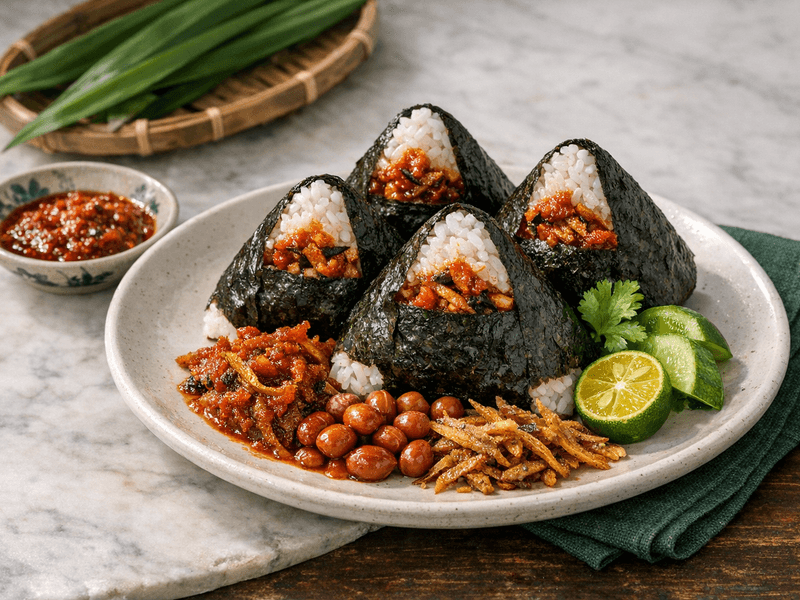
Onirigi is a Malaysian-inspired vegetarian rice snack, taking cues from our multicultural cuisine and local favourite ingredients. Unlike typical rice-based lunch items, Malaysian Onirigi incorporates aromatic pandan leaves, lemongrass, and hearty fillings like tempeh, fresh vegetables, and sambal, providing both taste and nutrition. This dish is perfect for lunch and embodies the fusion of Malay, Chinese, and Indian influences that make Malaysian cuisine so unique. Onirigi is easy to prepare, making it ideal for busy Malaysians seeking a healthy, portable meal. The flavours are vibrant, with the subtle fragrance of pandan and lemongrass infusing every bite. By using wholesome, plant-based ingredients, this recipe is suitable for vegetarians and those looking for lighter lunch options. It’s a fun, hands-on dish that’s popular among families, and it’s customizable to suit different tastes and dietary needs. Enjoying Onirigi in Malaysia connects us to the country’s rich food heritage, where rice is central to daily meals. Incorporating local vegetables and sambal, Onirigi highlights Malaysia’s love for bold flavours and fresh produce. It’s a great choice for anyone wanting to explore healthy Malaysian lunch recipes in a modern, practical way.
Bahan-bahan(untuk 2 Onirigi rice balls per person)
- 1 cup Beras wangi (fragrant rice) (local jasmine rice)
- 2 leaves Pandan leaves (for aroma)
- 1 stalk Lemongrass (finely chopped)
- 100g Tempeh (cubed)
- 1/2 cup Carrot (finely grated)
- 1/2 cup Cucumber (finely diced)
- 2 tbsp Sambal (vegetarian) (mild, homemade)
- 2 sheets Seaweed sheets (optional for wrapping) - pilihan
- 1/2 tsp Salt
- 1 tbsp Sesame seeds (toasted) - pilihan
Arahan
- 1
Wash beras wangi thoroughly and cook with pandan leaves and chopped lemongrass for extra aroma.
15 minutes
Use a rice cooker for even cooking and fragrance infusion.
- 2
While rice cooks, sauté cubed tempeh in a non-stick pan with a pinch of salt until golden brown.
5 minutes
Tempeh browns faster with a light spray of oil.
- 3
Prepare fillings: mix grated carrot, diced cucumber, and sautéed tempeh with vegetarian sambal.
5 minutes
Adjust sambal to taste for desired spiciness.
- 4
Once rice is cooked and slightly cooled, wet hands and shape rice into palm-sized balls. Make a pocket in the center.
5 minutes
Wet hands prevent rice from sticking.
Kenapa hidangan ini sihat
Onirigi is a healthy Malaysian lunch option because it features whole grains, legumes, and fresh vegetables, all of which support balanced nutrition. It is low in saturated fat, high in fiber, and provides sustained energy. The use of sambal adds flavor without extra calories, and plant-based fillings make it suitable for vegetarians and those seeking heart-healthy meals.
This vegetarian Onirigi is packed with complex carbohydrates from beras wangi, plant protein from tempeh, and fiber from carrots and cucumber. Pandan and lemongrass provide antioxidants, while sesame seeds offer healthy fats and minerals like calcium and magnesium. The recipe avoids deep-frying and uses minimal oil, making it suitable for calorie-conscious diets. Vitamin A from carrots and vitamin C from cucumber help support immune health.
Petua
- 💡Tip 1: Use freshly cooked rice for easier shaping and better texture.
- 💡Tip 2: Experiment with different fillings using local vegetables like kacang panjang or taugeh.
- 💡Tip 3: Toast sesame seeds for enhanced aroma and crunch.
Penyimpanan & hidangan
Store Onirigi in an airtight container in the fridge for up to 24 hours. Best consumed within a day for freshness. Avoid storing with sambal to prevent sogginess; add sambal before eating.
Paling sesuai dihidang: Breakfast or Lunch
Fakta Nutrisi
| Nutrien | Per 100g |
|---|---|
| Tenaga | 250.0 kcal |