Ayam Paprik
Makan Malam • Malaysia
Tentang Ayam Paprik
Thai-inspired sweet and spicy chicken stir-fry with capsicum, popular at Malaysian rice stalls.
How to Make Ayam Paprik (Traditional & Healthy Version)
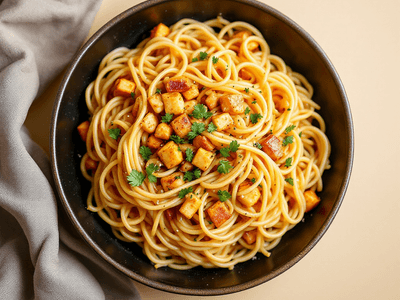
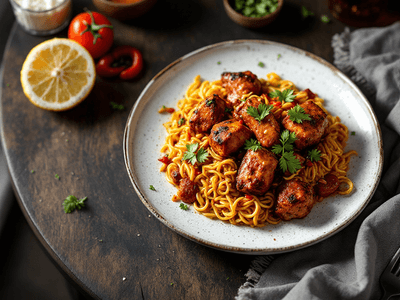
Ayam Paprik is a vibrant and flavorful Malaysian dish, beloved across the country for its aromatic spices and enticing blend of textures. Originating from the multicultural tapestry of Malaysia, Ayam Paprik brings together influences from Malay, Thai, and Chinese culinary traditions, reflecting the nation’s rich food heritage. It typically features lean chicken pieces stir-fried with a medley of fresh vegetables, chilies, and a fragrant sauce made with local ingredients like serai (lemongrass), bawang merah (shallots), and cili padi (bird’s eye chili). This healthy version of Ayam Paprik is designed for modern Malaysian kitchens, keeping both tradition and nutrition in mind. By using minimal oil and plenty of colorful vegetables, the dish remains light yet hearty, making it a perfect choice for calorie-conscious eaters. The signature spicy, tangy, and subtly sweet flavors make every bite satisfying, while the use of fresh herbs and aromatics brings a burst of authentic Malaysian taste. Whether enjoyed with a serving of brown rice or on its own, Ayam Paprik is a delicious way to experience the essence of Malaysian cuisine.
Bahan-bahan(untuk 1 medium plate with rice and vegetables)
- 200g Chicken breast (skinless, cut into bite-size pieces)
- 1 stalk Serai (lemongrass) (bruised and sliced)
- 2 cloves Bawang putih (garlic) (minced)
- 3 Bawang merah (shallots) (thinly sliced)
- 2 Cili padi (bird’s eye chilies) (sliced, adjust to taste)
- 1/2 Red bell pepper (sliced)
- 1/2 Carrot (julienned)
- 5 stalks Kacang panjang (long beans) (cut into 3cm pieces)
- 1/2 Tomato (cut into wedges)
- 1 tbsp Low-sodium soy sauce
- 1 tbsp Oyster sauce
- 1 tsp Fish sauce
- 1 tbsp Cooking oil (preferably canola or sunflower oil)
- 50ml Water (for sauce)
- a few sprigs Fresh coriander (for garnish) - pilihan
Arahan
- 1
Heat the cooking oil in a non-stick wok over medium heat. Add bawang putih and bawang merah, sauté until fragrant and slightly golden.
3 minutes
Keep stirring to avoid burning the aromatics.
- 2
Add serai and cili padi. Continue to stir-fry until the lemongrass releases its aroma.
2 minutes
Bruise the lemongrass for maximum fragrance.
- 3
Add the chicken breast pieces. Stir-fry until the chicken is lightly browned on all sides.
5 minutes
Ensure chicken pieces are similar in size for even cooking.
- 4
Add carrots, kacang panjang, and red bell pepper. Stir-fry for another 2 minutes to retain crunchiness.
2 minutes
Do not overcook the vegetables to keep nutrients intact.
Kenapa hidangan ini sihat
This healthy Ayam Paprik recipe is lower in calories, thanks to lean chicken and an abundance of vegetables. Minimal oil use and low-sodium condiments make it heart-friendly and suitable for those monitoring their calorie and salt intake. The inclusion of fiber-rich vegetables supports digestion, while the high protein content keeps you fuller for longer, making it ideal for weight management.
Ayam Paprik is packed with lean protein from chicken breast, essential for muscle repair and growth. The variety of vegetables—such as carrots, kacang panjang, and bell pepper—provide dietary fiber, vitamin C, beta-carotene, and antioxidants. Using minimal oil and low-sodium sauces keeps the saturated fat and sodium content low. Lemongrass and fresh chilies provide additional micronutrients and metabolism-boosting compounds.
Petua
- 💡Tip 1: Marinate chicken with a pinch of turmeric for extra flavor and color.
- 💡Tip 2: Use a wok for authentic stir-fry results.
- 💡Tip 3: Add a squeeze of lime before serving for a refreshing tang.
Penyimpanan & hidangan
Store leftovers in an airtight container in the refrigerator for up to 2 days. Reheat gently over low heat to preserve vegetable texture.
Paling sesuai dihidang: Lunch or Dinner
Fakta Nutrisi
| Nutrien | Per 100g |
|---|---|
| Tenaga | 300.0 kcal |
| Protein | 24.0 g |
| Karbohidrat | 15.0 g |
| Jumlah Lemak | 16.0 g |
| Serat | 2.0 g |
| Gula | 2.1 g |
| Natrium | 410.0 mg |
| Kalium | 210.0 mg |
| Kolesterol | 38.0 mg |
| Vitamin A | 310.0 IU |
| Vitamin C | 10.0 mg |
| Kalsium | 22.0 mg |
| Zat Besi | 0.8 mg |
| Magnesium | 18.0 mg |
| Zinc | 0.6 mg |
| Phosphorus | 95.0 mg |
| Vitamin D | 0.2 IU |
| Vitamin B1 (Thiamine) | 0.1 mg |
| Vitamin B2 (Riboflavin) | 0.1 mg |
| Vitamin B3 (Niacin) | 3.1 mg |
| Vitamin B6 | 0.2 mg |
| Vitamin B12 | 0.2 µg |
| Folate | 12.0 µg |