Nasi Padang
Makan Tengah Hari • Malaysia
How to Make Nasi Padang (Traditional & Healthy Version)
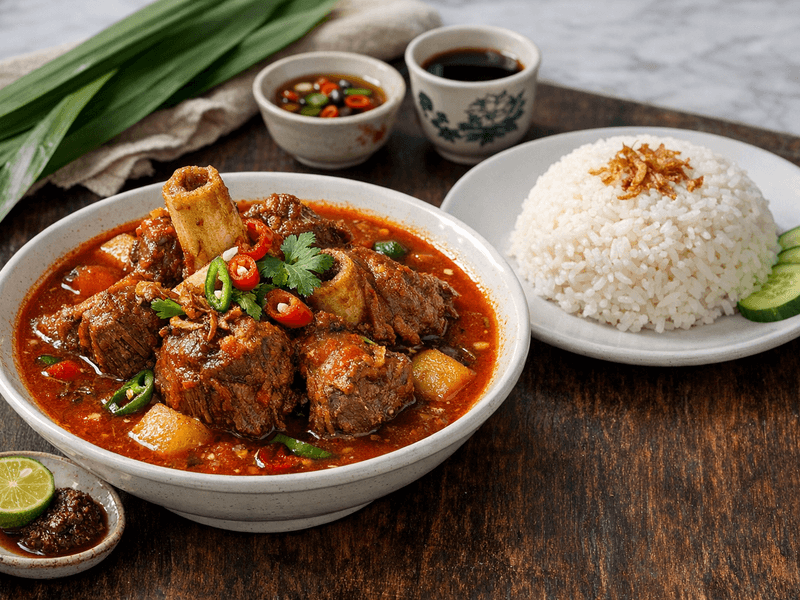
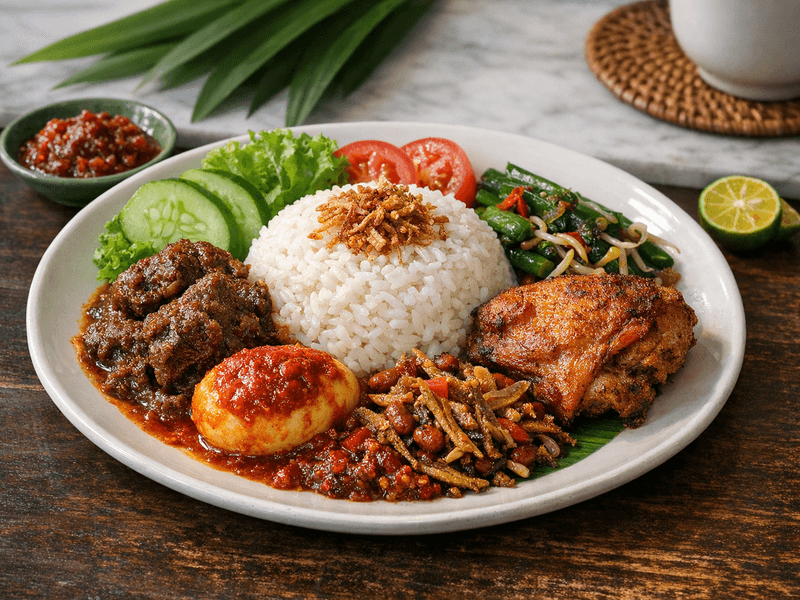
Nasi Padang is a beloved Malaysian lunch dish, inspired by the rich culinary heritage of the Minangkabau community and now widely enjoyed across Malaysia, especially in urban centres like Kuala Lumpur and Penang. This vegetarian take on Nasi Padang captures the essence of its bold, aromatic flavors while embracing a health-conscious approach suitable for modern lifestyles. The dish features fragrant nasi (rice) cooked with pandan, accompanied by an assortment of vegetable lauk (side dishes) such as sayur lodeh (vegetable coconut curry), sambal tempeh, and ulam (herbal salad), all seasoned with classic Malaysian spices like kunyit (turmeric), serai (lemongrass), and halia (ginger). Nasi Padang’s appeal lies in its vibrant presentation and harmonious blend of textures and tastes, from creamy santan-infused curries to crisp, fresh ulam. It’s a showcase of Malaysia’s multicultural gastronomy, where local ingredients like tempeh, eggplant, and long beans are elevated with traditional rempah (spice pastes). By using wholesome plant-based proteins and minimizing oil, this recipe offers all the satisfaction of authentic Nasi Padang while fitting perfectly into a balanced, calorie-conscious diet. Whether you’re a vegetarian or simply seeking a lighter, nutritious meal, this dish delivers the classic flavors Malaysians love, making it a standout choice for lunch.
Bahan-bahan(untuk 1 rice plate with 3 vegetable side dishes)
- 1 cup White rice (beras wangi or jasmine, uncooked)
- 1 leaf Pandan leaf (tie into a knot)
- 100g Tempeh (cubed)
- 1 small Eggplant (cut into bite-sized pieces)
- 50g Long beans (cut into 3cm sections)
- 1 small Carrot (sliced)
- 50g Cabbage (shredded)
- 1/3 cup Coconut milk (santan) (light version)
- 2 Red chili (sliced, seeds removed for less heat)
- 2 Shallots (finely sliced)
- 2 cloves Garlic (minced)
- 1 stalk Lemongrass (serai) (bruised)
- 1/2 tsp Turmeric powder (kunyit)
- to taste Salt
- 1 tbsp Cooking oil (preferably canola or sunflower)
- small handful Fresh ulam herbs (pegaga, kacang botol, or daun selom) - pilihan
Arahan
- 1
Rinse the rice thoroughly. Add to a rice cooker with pandan leaf and 1.5 cups water. Cook until fluffy.
15 minutes
Pandan gives a lovely aroma—don’t skip it!
- 2
Heat oil in a non-stick pan. Sauté shallots, garlic, and lemongrass until fragrant.
3 minutes
Use low heat to avoid burning the aromatics.
- 3
Add tempeh cubes. Stir-fry until light golden. Remove and set aside.
4 minutes
For less oil, pan-fry tempeh with a non-stick pan.
- 4
Add eggplant, carrot, and long beans to the pan. Stir-fry with turmeric, a pinch of salt, and a splash of water until just tender.
5 minutes
Keep vegetables slightly crisp for better texture and nutrition.
Kenapa hidangan ini sihat
Choosing this healthy Nasi Padang recipe supports weight management, heart health, and digestive wellness due to its high fiber content and minimal use of oil and saturated fat. By focusing on fresh local vegetables, plant-based protein, and aromatic herbs, this dish delivers maximum flavor with fewer calories. The absence of processed ingredients and the use of light santan make it ideal for anyone seeking a nutritious, balanced lunch that doesn’t compromise on authentic Malaysian taste.
This vegetarian Nasi Padang is rich in plant-based protein from tempeh and loaded with vitamins, minerals, and fiber from a colorful array of vegetables like eggplant, long beans, carrot, and cabbage. The light santan provides healthy fats and gives the curry a creamy texture without excessive calories. Fresh ulam herbs offer natural antioxidants and phytonutrients, supporting overall wellness. The combination of whole foods ensures a balanced meal with a good mix of carbohydrates, protein, and healthy fats, while being free from cholesterol and low in saturated fat.
Petua
- 💡Tip 1: Use a rice cooker for perfectly fluffy rice every time.
- 💡Tip 2: Toast tempeh before adding to the curry for extra flavor and texture.
- 💡Tip 3: Mix and match seasonal local vegetables for variety and nutrition.
Penyimpanan & hidangan
Store leftover rice and lauk in separate airtight containers in the refrigerator for up to 2 days. Reheat gently before serving. Ulam herbs are best enjoyed fresh.
Paling sesuai dihidang: Breakfast or Lunch
Fakta Nutrisi
| Nutrien | Per 100g |
|---|---|
| Tenaga | 550.0 kcal |